
Career Pathways
Career Pathways in Early Childhood Education
Early Childhood Education (ECE) is all about helping children learn and grow from birth to age 5, especially during the most important years of brain development. As an Early Childhood Education professional, you’re teaching, nurturing, guiding, and shaping the foundation of a child’s entire future.
Whether it’s helping a toddler learn to express their feelings or preparing a preschooler for kindergarten, your work has real impact every single day.
What You Need to Get Started
How to Start a Career in Early Childhood Education in Pennsylvania

You Can Start with Just a High School Diploma
If you have your high school diploma or GED, you’re already qualified to begin working in early childhood education. Many people start out as assistant teachers or classroom aides and build their experience while they work.

You’ll Need to Pass a Few Background Checks
You’ll need to complete three background checks (required by law):
- PA State Police Criminal Record Check – Shows you don’t have a criminal record in the state.
- Child Abuse Clearance – Confirms you haven’t been involved in any child abuse cases.
- FBI Fingerprint Check – National check to make sure your record is clear across the country.
These are usually easy to apply for online and cost around $50–$60 total. Many employers reimburse you or cover the cost.
You must complete basic health and safety training:
- Health & Safety Training (free online)
- Child Development Overview
- First Aid/CPR
You’ll learn about:
- Child safety and supervision
- Preventing abuse and neglect
- Handling emergencies
- Identifying signs of child development concerns
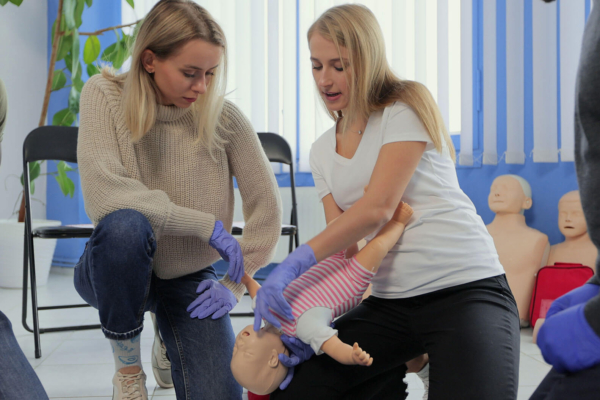
This training is available for free through the Pennsylvania Professional Development (PD) Registry and usually takes a few hours to complete. You’ll need to create a profile in the PA PD Registry (Pennsylvania’s professional development system). This is where your trainings, credentials, and certifications are tracked over time. Think of it as your digital resume for early childhood education in PA.

Earn a CDA (Child Development Associate) – A Great First Step
One of the fastest ways to level up is by earning a CDA credential.
This is a national certification that shows you know the basics of working with young children—from health and safety to learning and play. It offers several different early childhood education credentials so you can develop an expertise area for the age groups or settings you work in.
You can earn a CDA through online classes and hands-on-experience from several organizations across Pennsylvania, and it’s often required for promotions or more responsibility.

Go for a College Degree in Early Childhood Education
If you want to become a lead teacher or move into other higher-level roles, you’ll usually need a degree:
- Associate Degree (2 years): Good for lead teaching roles in child care centers or Head Start programs.
- Bachelor’s Degree (4 years): Needed if you want to teach preschool or Pre-K Counts and get certified in PA.
You don’t need to get the degree all at once—many people work in the field while taking classes part-time.

Learn on the Job and Keep Growing
Once you’re working in the field, you’ll keep learning and growing. You’ll need to complete training every few years to stay up to date – and it’s also a chance to get new certifications, explore leadership roles, or even become a director someday.

Want Help Paying for School?
There are apprenticeships, scholarships, and paid training programs available to help you get started. Pennsylvania even has programs that let you earn college credit for the experience you gain on the job, and many pay for learning materials like laptops.
 You don’t need to have it all figured out on day one. Start where you are and build from there. Whether you’re helping in a classroom or planning to become a certified teacher, there’s a path for you in Early Childhood Education.
Why Early Childhood Education?
A Growing Field with Job Security
The demand for early childhood educators continues to grow across Pennsylvania and the U.S. because:
- More families are seeking licensed, high-quality child care.
- Public Pre-K and early learning initiatives are expanding.
- The need for trained professionals in infant care, behavioral support, and special education is on the rise.
According to the U.S. Bureau of Labor Statistics, employment of preschool teachers is expected to grow by 15% by 2030, faster than the average for all occupations. This growth is even stronger in high-need areas and rural communities.
You Change Lives—One Child at a Time
When you support a child’s development, you’re not just preparing them for school—you’re laying the groundwork for a healthier, happier, more successful life. Research shows that kids who attend high-quality early learning programs:
- Do better in school
- Are more likely to graduate
- Earn more as adults
- Are less likely to experience poverty or incarceration
Your Work Strengthens Families and Communities
ECE isn’t just about kids—it’s about families, too. Parents who have access to reliable, nurturing child care can go to work, attend school, and support their families. And communities with strong early childhood systems see:
- Better school performance overall
- Increased economic stability
- Lower crime rates and social service needs
- Stronger local workforces
When you become an early childhood educator, you’re not just choosing a job—you’re choosing to make a difference that echoes for generations.
